Salon Visit Value Calculator
Select Your Services
-
Haircut & StyleDopamine Boost
Identity renewal & confidence -
Massage / FacialOxytocin Release
Stress reduction & relaxation -
Nail CareSerotonin Lift
Mindfulness & detail focus -
Social InteractionThird Place
Community connection & chat
Your Visit Profile
Your Salon Visit Impact Report
0%
Mental Health Benefit
0%
Stress Reduction
0%
Social Connection
Walk past any high street in Auckland or London, and you’ll see them: lines of people waiting for a haircut, a manicure, or a facial. It’s easy to dismiss these visits as vanity-superficial stops on the way to looking ‘better.’ But if you’ve ever sat in that chair, you know it’s rarely just about the mirror. So, why do people go to beauty salons? The answer is far more complex than aesthetics. It’s about psychology, social ritual, and a desperate need for control in a chaotic world.
In 2026, the beauty industry isn’t shrinking; it’s evolving. We aren’t just buying services; we’re buying time, touch, and a momentary escape from the digital grind. Whether it’s a quick trim or a three-hour spa day, the salon has become a sanctuary. Let’s break down the real drivers behind those appointments.
The Psychology of the 'Clean Slate'
Think about your last major life change. Did you get a haircut? Many of us have used a fresh look as a psychological reset button. This isn’t coincidence; it’s behavioral science. When we feel stuck, anxious, or overwhelmed by work or personal drama, changing our appearance is one of the few things we can control immediately.
Cognitive reframing is a process of identifying and challenging irrational or maladaptive thoughts. In the context of a beauty salon visit, cutting hair or removing makeup acts as a physical manifestation of letting go of old burdens. You walk in feeling heavy with stress and walk out feeling lighter. The act of being groomed signals to your brain that you are worth the investment. It’s a tangible boost to self-esteem that no amount of scrolling through social media can replicate.
Consider the 'post-breakup haircut' trope. It’s cliché because it works. Removing the physical traces of a past relationship helps create a new identity. The salon becomes a theater of transformation, where the client directs the narrative of who they want to be next.
The Craving for Human Touch
We live in an era of isolation. Despite being hyper-connected digitally, many people suffer from 'touch starvation.' A study by the American Psychological Association highlighted that lack of physical contact increases cortisol levels and anxiety. Beauty services are one of the few socially acceptable ways for adults to receive non-sexual, caring physical touch.
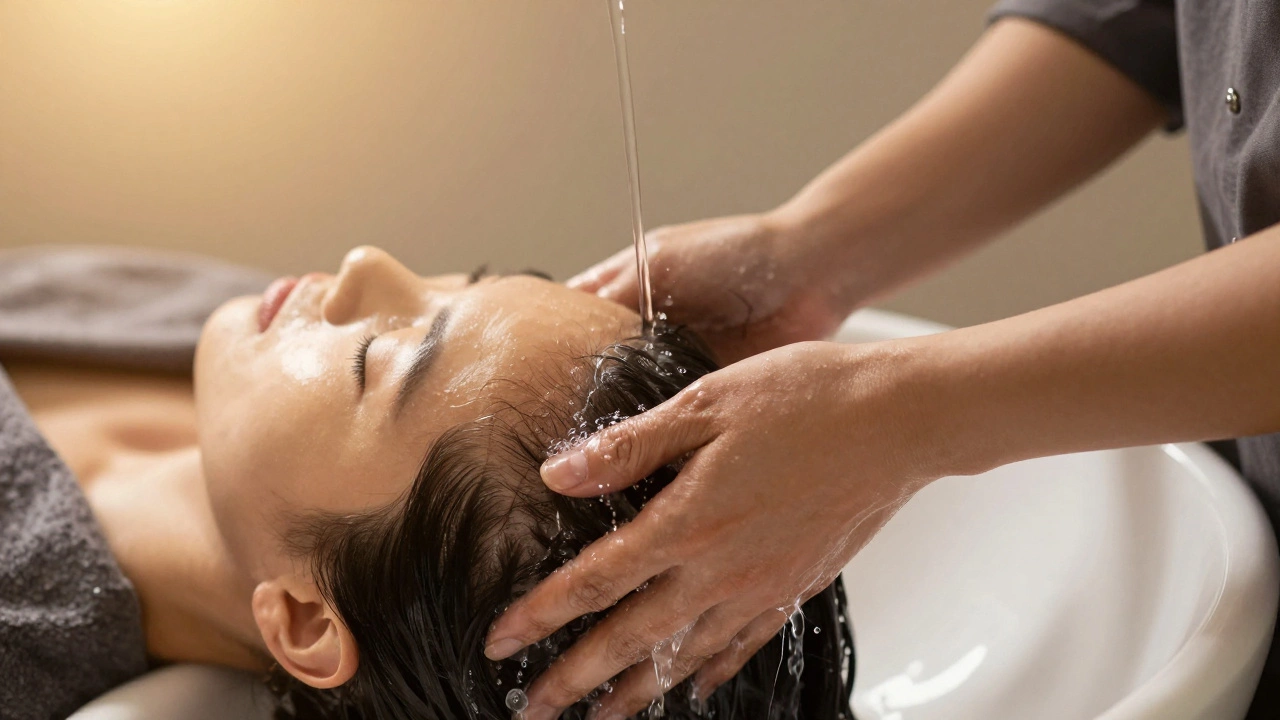
When a stylist massages your scalp during a shampoo, or a therapist applies lotion to your hands, your body releases oxytocin-the bonding hormone. This lowers blood pressure and induces a state of calm. For many, this isn’t a luxury; it’s a physiological necessity. You aren’t just paying for a manicure; you’re paying for twenty minutes of gentle, attentive human contact in a world that often feels cold and automated.
| Service Type | Primary Psychological Benefit | Hormonal Response |
|---|---|---|
| Haircut & Style | Identity renewal, confidence boost | Dopamine (reward) |
| Massage/Facial | Stress reduction, relaxation | Oxytocin (bonding), lowered Cortisol |
| Nail Care | Mindfulness, attention to detail | Serotonin (mood regulation) |
The Third Place: Social Connection
Sociologist Ray Oldenburg coined the term 'third place' to describe social surroundings separate from the two usual social environments of home (first place) and the workplace (second place). For decades, pubs and cafes filled this role. Today, the beauty salon has stepped into this void for many demographics, particularly women.
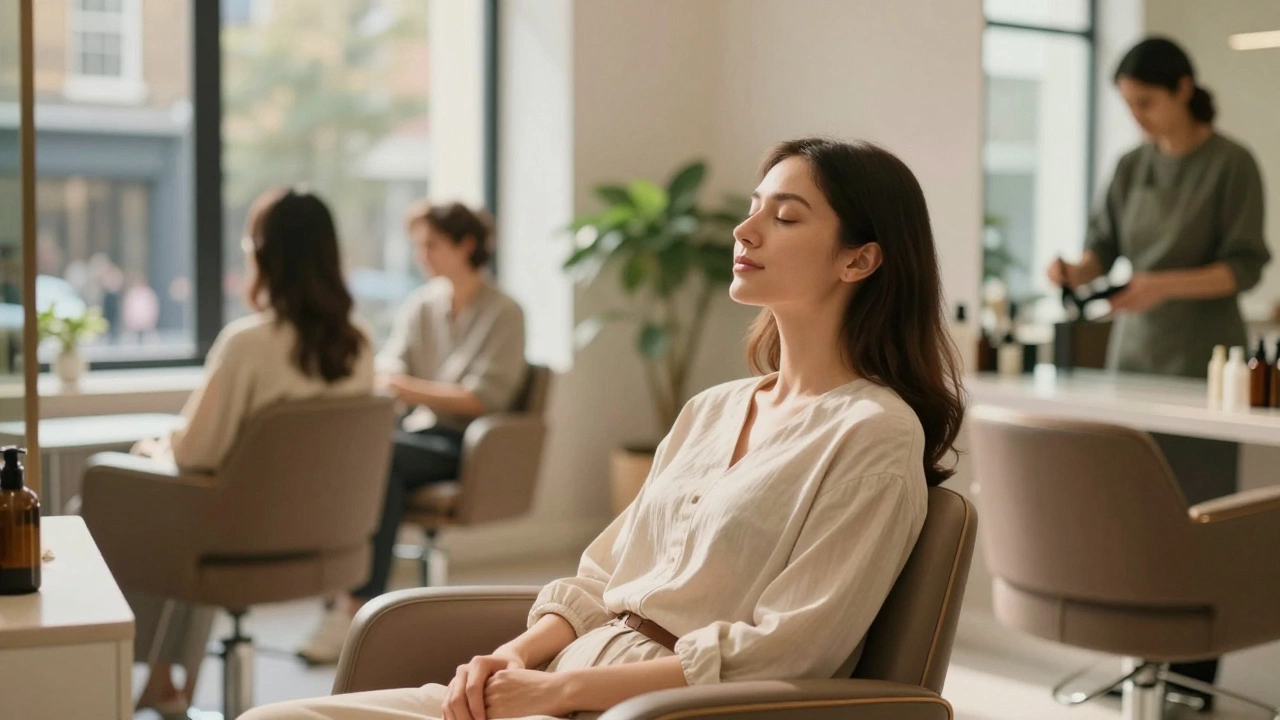
Salons are conversational hubs. They are places where news is shared, advice is given, and communities are built. The stylist often knows more about your life than your partner does. This regular interaction combats loneliness. In cities like Auckland, where urban density can paradoxically lead to isolation, the local salon serves as a community anchor. It’s a safe space to vent, laugh, and feel seen.
This social function is increasingly recognized by business owners. Modern salons design their spaces to encourage lingering-comfortable seating, coffee bars, and open layouts that facilitate chat between clients. It’s not just a transaction; it’s a social ritual.
Professional Necessity and Economic Signaling
Let’s address the practical side. In many industries, appearance is currency. This is known as 'lookism' or aesthetic labor. While controversial, the reality is that well-groomed individuals are often perceived as more competent, trustworthy, and successful.
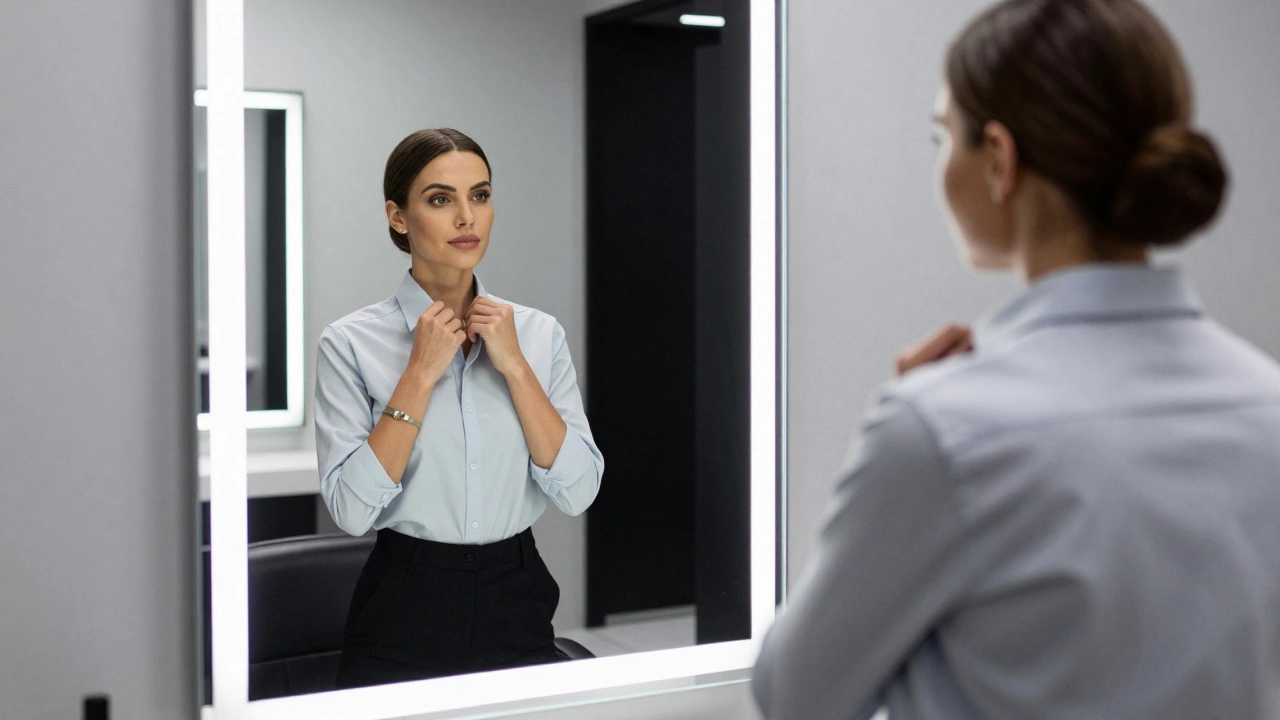
For professionals, regular salon visits are part of their uniform. A sharp cut, polished nails, and clear skin signal discipline and attention to detail. In client-facing roles, this matters. A CEO might not admit it, but a fresh blowout before a board meeting can provide the psychological armor needed to negotiate tough deals. It’s a form of non-verbal communication that says, "I have my life together."
This extends beyond corporate jobs. Gig economy workers, influencers, and creatives rely on their image for income. For them, the salon is a workshop, not a retreat. The maintenance of their brand requires consistent, professional upkeep that DIY methods simply cannot match.
The Ritual of Self-Care and Time Ownership
In a culture that glorifies busyness, taking time off is radical. Going to the salon forces you to pause. You cannot multitask during a facial. You cannot check emails while getting your eyebrows threaded. This enforced stillness is a gift.
Self-care has been commodified, but its core value remains: reclaiming agency over your own well-being. When you book an appointment, you are prioritizing yourself above chores, work, and family demands. This act of selfishness is healthy. It prevents burnout and reminds you that your needs matter.
Many people report that the anticipation of the appointment is as beneficial as the service itself. Having something to look forward to-a 'me-time' block on the calendar-provides structure and joy in an otherwise unstructured week. It’s a scheduled rebellion against the hustle culture.
Expertise vs. DIY: The Quality Gap
With the rise of TikTok tutorials, many try to recreate salon results at home. Why pay when you can watch a video? The short answer: risk and quality. Professional tools, products, and techniques differ significantly from consumer-grade alternatives.
A licensed colorist understands chemistry. They know how different hair textures react to bleach, preventing damage that could take months to repair. A professional esthetician can identify skin conditions that require medical attention, whereas a DIY mask might irritate sensitive skin further. The expertise saves money in the long run by avoiding costly fixes for botched jobs.
Moreover, the efficiency factor is huge. What takes a novice three hours and significant frustration, a pro can do in forty-five minutes with precision. For busy people, time is the most valuable resource. Paying for speed and accuracy is a rational economic decision.
Conclusion: More Than Vanity
So, why do people go to beauty salons? It’s not just about looking good. It’s about feeling grounded, connected, and cared for. It’s a blend of psychological reset, social engagement, and professional strategy. In a fast-paced, digital-first world, the tactile, slow, and personal nature of salon services offers a rare antidote to modern stress. Whether you need a confidence boost, a shoulder to lean on, or simply a reason to sit still, the salon provides a unique value that apps and algorithms cannot replace.
Is going to the beauty salon a waste of money?
Not necessarily. If you view it purely as a cosmetic expense, it might seem frivolous. However, when considered as an investment in mental health, professional presentation, and social well-being, the ROI is significant. Many people find that the boost in confidence and reduction in stress outweighs the cost of the service.
How often should I visit a beauty salon for maintenance?
It depends on the service. Haircuts typically need refreshing every 4-6 weeks. Manicures last 2-3 weeks, while pedicures can stretch to 4-6 weeks. Facials are recommended monthly for most skin types. Listen to your body and budget; consistency is more important than frequency.
Can beauty salons help with anxiety?
Yes, indirectly. The combination of physical touch, quiet environment, and focused attention can lower cortisol levels and promote relaxation. Many therapists recommend regular pampering sessions as part of a broader self-care routine to manage mild anxiety and stress.
What is the difference between a spa and a beauty salon?
A beauty salon focuses primarily on aesthetic enhancements like haircuts, coloring, and nails. A spa emphasizes wellness and relaxation, offering massages, hydrotherapy, and holistic treatments. While there is overlap, spas tend to be more expensive and focused on therapeutic benefits rather than just looks.
Are beauty salons safe post-pandemic?
Yes, hygiene standards have improved globally. Most reputable salons use disposable tools, sterilize equipment between clients, and maintain strict sanitation protocols. Always choose licensed establishments that prioritize cleanliness and transparency about their safety measures.