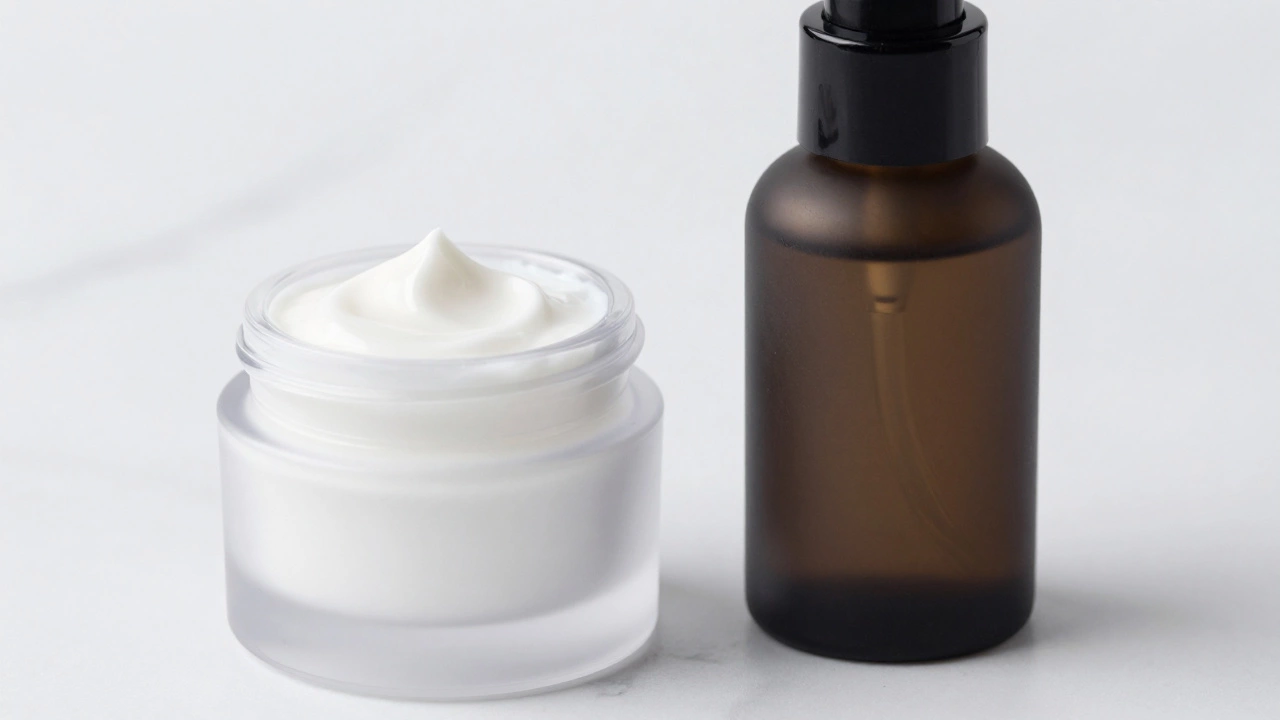
You walk into the store and see two jars of cream side by side. One costs thirty dollars, the other costs three hundred. Both claim to do the exact same thing: hydrate your face and reduce fine lines. Your instinct screams that the cheaper one does the job, but your wallet hesitates at the premium price tag. It feels like paying for fancy packaging, yet somewhere deep down, you suspect there might be a hidden reason for the gap.
The reality isn't black and white. Sometimes, expensive skincare is a marketing trap designed to exploit vanity. Other times, that higher price reflects genuine engineering, superior ingredients, and rigorous safety testing that keeps your skin healthy for years. Understanding the difference saves you money and protects your barrier.
It Comes Down to Ingredient Concentration
Expensive skincare often delivers a higher dose of active compounds that drive visible change. When you buy a drugstore retinol serum, it might contain 0.1% retinol. That's effective for beginners, but limited for mature skin needing significant resurfacing. A luxury version might offer 0.5% or even higher, stabilized within a specialized carrier oil to reduce irritation.
Think about cooking. You can bake a cake with basic flour, sugar, and water, and it will be edible. But a patissér using French butter from a specific pasture and vanilla beans scraped from the pod creates a different sensory experience and texture. Similarly, cosmetic chemists in high-end labs source ingredients from specific regions known for potency. For example, squalane derived from Japanese sugarcane often feels smoother and absorbs faster than synthetic versions found in mass-market brands.
However, concentration alone isn't everything. If a product puts too much acid on your face without buffering agents, it damages the skin barrier rather than fixing it. Premium brands invest heavily in balancing potency with safety. This balance ensures the ingredient penetrates the epidermis effectively without causing chemical burns or chronic redness.
How Ingredients Are Delivered Matters More Than the List
Listing an ingredient on the back label means nothing if the molecule can't get past the top layer of your skin. This is where delivery systems become the deciding factor. Many affordable products use simple water-based emulsions that sit on the surface. Once dry, they vanish.
Advanced formulations utilize encapsulation technology a method of wrapping ingredients in tiny shells. Imagine a submarine delivering oxygen to a deep-sea crew. Without the shell, the oxygen floats away in the ocean; with the shell, it reaches the destination. Encapsulation allows unstable vitamins, like pure Vitamin C, to survive oxidation in the bottle and remain active until they touch your pores.
There is also liposomal technology. By enclosing actives in lipid spheres identical to the fatty acids in your skin, the formula mimics natural biology. This trick helps the skin accept the product more readily, bypassing resistance mechanisms. These technologies require patented manufacturing processes, which inevitably raises production costs compared to standard mixing.
Stability and Shelf Life Issues
A major benefit of pricier formulas is that they stay potent longer. Cheap products often rely on heavy preservatives to prevent mold in large plastic tubs. While this stops bacteria, aggressive preservatives can irritate sensitive skin.
Luxury brands frequently employ airless pump dispensers. When you press the button, fresh cream moves up, and no outside air gets inside the tube. This prevents oxidation. If you've ever used a jar of moisturizer for six months and noticed it turned yellow or smelled rancid, that was oxidation ruining the antioxidants inside. With an airless system, a vitamin C serum stays bright orange (as it should be) for its entire life, ensuring every drop is doing its job.
Furthermore, high-end oils are filtered multiple times to remove impurities that can oxidize over time. Mass-market oils might retain plant waxes or pigments that clog pores after sitting on a shelf. The filtration process requires expensive equipment and adds labor hours, contributing to the retail price.
Clinical Evidence Versus Hype
Clinical testing scientific validation performed on human subjects creates a massive divide between professional and casual skincare lines. Many trendy brands claim their products work based on in-vitro tests (petri dishes). Real-world performance requires human trials.
Established pharmaceutical-grade cosmetic companies spend thousands of dollars hiring dermatologists to monitor test groups over 12 weeks. They measure hydration percentages, wrinkle depth, and elasticity changes using tools like the cutometer. This data backs up the claims you read on the front label. When a product says "clinically proven to reduce wrinkles," it implies a study exists where those claims were verified by third parties.
In contrast, smaller indie brands or fast-fashion beauty lines often skip this phase entirely. They guess what will sell based on buzzwords. If the formula fails to work, they simply reformulate quickly. Professional skincare lines prioritize consistency. They know that one bad batch could ruin their reputation among medical professionals, so they maintain tight quality control over every single run.
Packaging Engineering and Hygiene
Dip-in jars are convenient, but they are breeding grounds for bacteria. Every time you finger-dig into a jar, you transfer dirt and microbes from your hands into the product. Over three months, this contamination degrades the formula and can cause breakouts.
Premium packaging focuses on hygiene alongside aesthetics. Glass vials with droppers keep fingers out, though they still allow some air exchange. However, the best option remains the opaque, vacuum-sealed piston pump. It ensures the product inside never touches oxygen or light. This level of packaging engineering explains why some serums come in thick, dark glass bottles that feel substantial. It's not just for 'luxury' vibes; it's to protect the chemistry.
When Budget Skincare Wins
This isn't an excuse to throw away your hard-earned cash on everything. There are specific categories where you simply do not need to spend extra. Basic cleansing is purely mechanical. A gentle surfactant removes dirt regardless of whether it comes from a boutique shop or a supermarket aisle. As long as it cleanses well and maintains pH balance, the price doesn't add value.
Hydration is another area where cheap wins. Humectants like glycerin and hyaluronic acid are small molecules. They are incredibly cheap to produce and stable. Paying five times the price for hyaluronic acid won't make it hold more water. It's the same molecule. Saving money here allows you to budget for the products that really require advanced tech, like anti-aging retinoids or brightening agents.
Exfoliating scrubs are also a place to save. Physical exfoliation is simply friction. Unless you are buying a very specific enzyme peel, paying a premium for crushed walnut shells (which are harmful) is pointless. Stick to chemical exfoliants from reputable pharmacy brands where the concentration is listed clearly and accurately.
Evaluating True Value and ROI
To decide what to buy, look at the cost-per-use rather than the total price. A jar costing fifty dollars that lasts three days because you are using a quarter-sized amount every night offers poor value. A $150 serum lasting four months because it is concentrated and efficient offers better long-term ROI.
| Feature | Budget Friendly | High End |
|---|---|---|
| Ingredient Source | Synthetic or Bulk | Ethically sourced, Specific Origin |
| Formulation Tech | Standard Emulsion | Encapsulation / Liposomes |
| Packaging | Jar / Bottle | Airless Pump / Vacuum |
| Testing | In-Vitro / Self Report | Clinical Human Trials |
Consider your skin type before upgrading. If you have resilient, oily skin, drugstore options work 90% of the time. Reserve the investment for when you have delicate, aging, or compromised skin barriers where stability and purity impact comfort and inflammation levels significantly.
Smart Purchasing Strategies
If you want the benefits without the full price, look for derm-brands. These sit in the middle ground-often sold in pharmacies but formulated by experts. They bridge the gap between mass market and luxury, offering tested ingredients without the celebrity markup. Also, subscribe to samples. Many premium brands sell travel sizes. Test them for a month before committing to the full size to ensure compatibility with your specific skin chemistry.
Does expensive skincare guarantee fewer side effects?
Not necessarily. Expensive products can still contain allergens like fragrances or essential oils. However, they are less likely to use harsh, irritating fillers to achieve bulk, reducing accidental damage to the barrier.
Are luxury creams better for anti-aging?
Yes, primarily due to delivery systems. Anti-aging molecules like peptides and retinols are unstable and difficult to penetrate. Premium brands solve this with advanced encapsulation, making the active ingredients work deeper in the skin layers.
Can I mix drugstore and luxury products?
Absolutely. Mixing is encouraged. Using a budget cleanser with a high-performance treatment serum is a smart way to maximize results while managing expenses. Focus spending on the last step of your routine before sunscreen.
What is the most important ingredient to look for?
Retinol or Vitamin C are the gold standards. Ensure the percentage is listed. If it is not listed, the brand may be under-dosing the product to save costs regardless of the price tag.
Why do some serums separate or turn color?
This indicates instability. Sunlight or air exposure has degraded the ingredients. Proper packaging and preservative systems in high-quality products prevent this separation, ensuring consistent potency.