Organic vs. Conventional Skincare Matcher
Select your primary skin concern or goal below to see a tailored recommendation on whether to go Organic, Conventional, or Hybrid.
Sensitive Skin
Acne Prone
Anti-Aging
Eco-Conscious
Recommendation
Verdict✅ Why This Fits You
⚠️ Potential Pitfalls
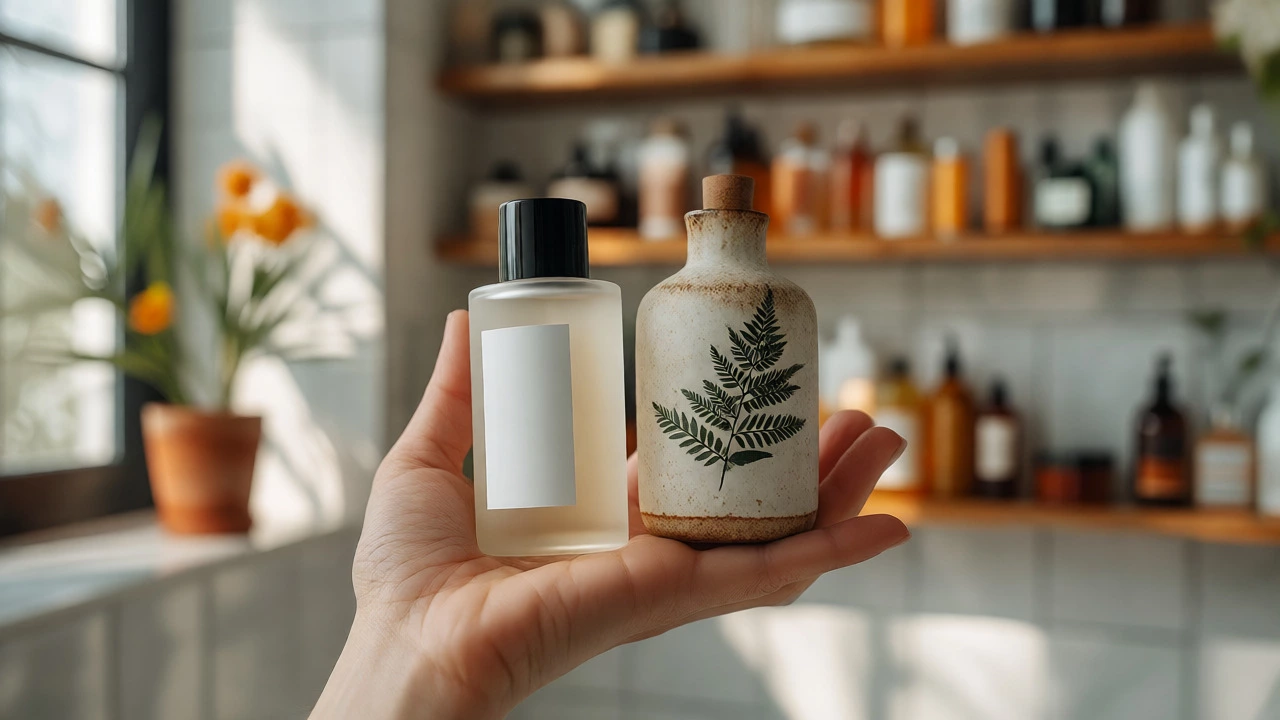
You’ve probably stood in the aisle of a health store, holding two bottles of moisturizer. One costs $15 and has a list of ingredients that looks like a chemistry final exam. The other costs $45, features a picture of a fern on the label, and promises to be "pure," "toxic-free," and "better for your skin." It’s tempting, right? But does paying more for organic skincare actually mean you’re getting better results?
Here is the uncomfortable truth: marketing loves the word "organic" because it makes us feel safe and virtuous. But your skin doesn’t care about your moral compass; it cares about biology. Whether a product helps or hurts your face depends on its chemical structure, not whether it was grown without synthetic pesticides. Let’s cut through the noise and look at what actually happens when you switch from conventional to organic products.
The Definition Trap: What Does "Organic" Really Mean?
Before we decide if it’s better, we need to agree on what it is. In many countries, including New Zealand and the US, there is no single, universal legal definition for "organic" in cosmetics. This is where things get messy.
USDA Organic certification, for example, requires that at least 95% of the ingredients (excluding water and salt) are certified organic. If a label just says "made with organic ingredients," that number drops to 70%. That leaves up to 30% of the formula open to conventionally grown or even synthetic additives. So, when you buy an "organic" serum, you might still be applying parabens or synthetic fragrances, unless the brand is transparent about their sourcing.
This ambiguity creates a problem for consumers. You think you’re avoiding chemicals, but you’re often just avoiding *certain* chemicals. And here is the kicker: everything is a chemical. Water is a chemical. Aloe vera is a complex cocktail of hundreds of chemicals. The idea that "natural" equals "safe" and "synthetic" equals "dangerous" is one of the biggest myths in modern beauty.
Skin Barrier Health: Where Organic Shines (and Fails)
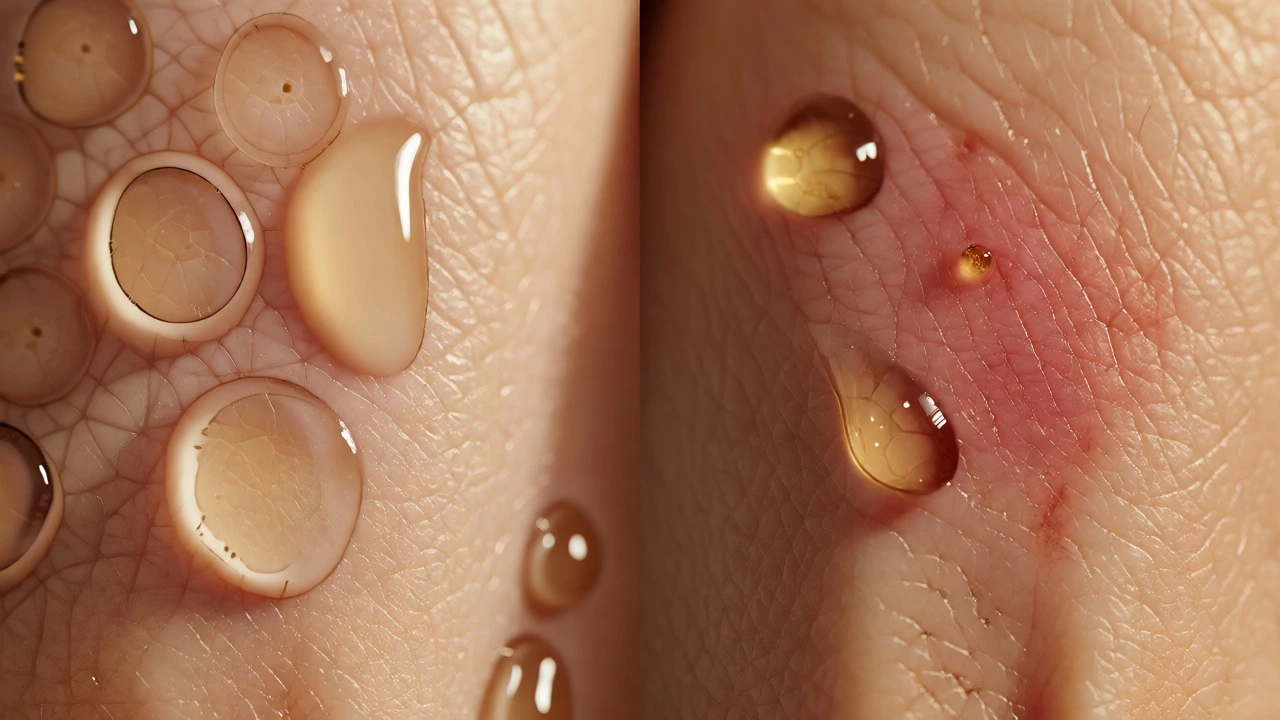
Your skin has a protective layer called the skin barrier, which is essentially a brick-and-mortar wall made of skin cells and lipids (fats). When this barrier is healthy, your skin stays hydrated and keeps irritants out. When it’s broken, you get redness, itching, and sensitivity.
Conventional skincare sometimes uses harsh sulfates or high concentrations of alcohol as preservatives or texture enhancers. These can strip the lipid layer, leading to dryness. This is where well-formulated organic products have a genuine advantage. Many plant-based oils, such as jojoba, squalane (derived from olives), and rosehip, mimic the natural sebum your skin produces. They support the barrier rather than stripping it.
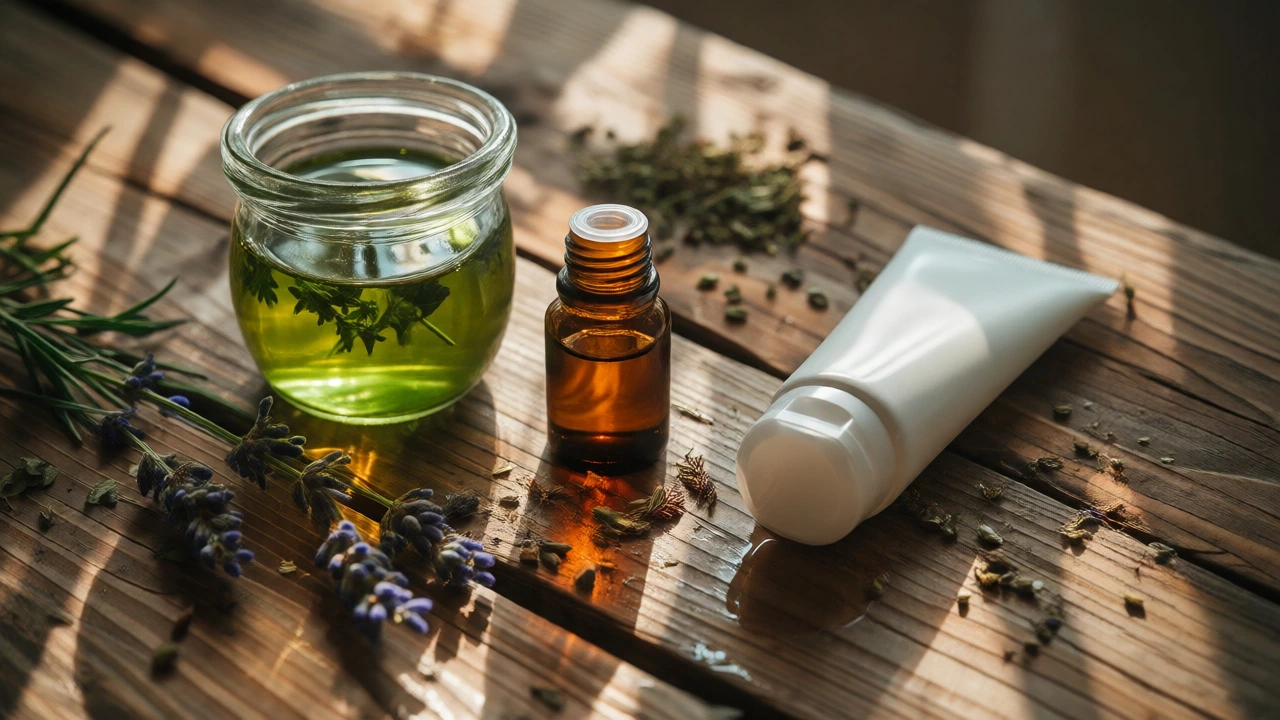
However, organic isn’t automatically gentle. Essential oils-lavender, peppermint, citrus-are natural, but they are potent allergens. A study published in the journal *Contact Dermatitis* found that fragrance mixtures, both natural and synthetic, are among the top causes of contact dermatitis. If you have sensitive skin or conditions like eczema, a "natural" lavender oil could trigger a flare-up faster than a hypoallergenic synthetic alternative designed specifically to be inert.
Potency and Stability: The Science of Shelf Life
Have you ever noticed that some organic creams separate into layers after a few weeks? Or that they smell different every time you open them? That’s because natural ingredients are less stable than their synthetic counterparts.
Vitamin C is a great example. L-ascorbic acid (the pure form) is unstable and oxidizes quickly when exposed to light and air. Synthetic derivatives, like sodium ascorbyl phosphate, are engineered to be stable and effective over a longer shelf life. While you can find stable organic options using encapsulation technology, they are expensive and rare. Most budget-friendly "natural" vitamin C serums lose their potency within months, meaning you’re rubbing ineffective juice on your face.
Preservation is another hurdle. Conventional products use robust preservative systems to prevent bacterial and fungal growth. Organic brands often rely on milder preservatives like radish root ferment or phenoxyethanol (which is synthetic but allowed in many "clean" standards). If these fail, mold can grow inside your jar. Using a contaminated product is far worse for your skin than using a conventional one with a strong preservative system.
Environmental Impact vs. Skin Benefit
It’s important to distinguish between what’s good for the planet and what’s good for your pores. Organic farming avoids synthetic pesticides and fertilizers, which reduces runoff into waterways and supports biodiversity. For many people, this ethical consideration is reason enough to switch, regardless of skin performance.
But don’t confuse eco-friendliness with efficacy. Just because an ingredient is sustainably harvested doesn’t mean it penetrates your dermis effectively. Retinol, derived from Vitamin A, is the gold standard for anti-aging. While there are natural alternatives like bakuchiol (from the babchi plant), recent studies suggest bakuchiol provides similar anti-aging benefits with less irritation. This is a case where a natural ingredient genuinely competes with-and sometimes beats-the synthetic standard for specific user groups.
| Attribute | Organic/Natural Skincare | Conventional/Synthetic Skincare |
|---|---|---|
| Ingredient Source | Plant-derived, mineral, or naturally fermented. | Laboratory-synthesized or chemically modified natural sources. |
| Allergy Risk | Higher risk from essential oils and botanical extracts. | Lower risk if formulated to be hypoallergenic and fragrance-free. |
| Stability/Shelf Life | Shorter; prone to oxidation and separation. | Longer; stabilized with advanced preservatives. |
| Efficacy Consistency | Variable due to crop harvest differences. | Highly consistent batch-to-batch. |
| Price Point | Generally higher due to sourcing and smaller scale production. | Wide range, often lower due to economies of scale. |
Who Should Actually Switch to Organic?
So, who wins? It’s not a blanket yes or no. Here is how to decide based on your specific skin profile.
- The Sensitive Skin Warrior: If you react to almost everything, try switching to simple organic formulas with minimal ingredients. Fewer components mean fewer potential triggers. However, avoid heavily scented "spa-like" organic products. Look for unscented, cold-pressed oils instead.
- The Acne Fighter: Be careful. Many natural oils are comedogenic (pore-clogging). Coconut oil, for instance, is a notorious acne trigger for many people despite being "natural." If you have oily skin, stick to lightweight, non-comedogenic organic options like hemp seed oil or niacinamide (which can be synthesized naturally).
- The Anti-Aging Enthusiast: You likely need proven actives. Retinoids and peptides are hard to beat. Unless you are using clinically studied natural alternatives like bakuchiol or rosehip oil, you might see slower results with purely organic lines.
- The Eco-Conscious Consumer: If your primary goal is reducing environmental impact, go organic. Accept that you may need to adjust your routine more frequently as batches vary, and treat the price premium as a donation to sustainable agriculture.
How to Read the Label Like a Pro
Don’t trust the front of the bottle. Turn it around. The ingredient list is ordered by concentration, from highest to lowest. If "Aloe Vera" is listed tenth, it’s basically a sprinkle, not a star player.
Look for certifications. In New Zealand, look for the BioGro logo, which certifies organic content according to strict international standards. Internationally, COSMOS and Ecocert are reliable markers. If a product claims to be "natural" but lacks any third-party verification, be skeptical. It’s often just greenwashing.
Also, check for "fragrance" or "parfum." Even in organic products, this term can hide dozens of undisclosed chemicals used to make the product smell nice. If you want true transparency, choose products that explicitly state they are fragrance-free or use only essential oils you know you tolerate.
The Verdict: Is It Worth the Hype?
Is organic skincare better? For some, absolutely. It offers a cleaner environmental footprint and can be gentler for those reacting to harsh synthetic preservatives. But it is not inherently superior for everyone. In fact, for treating specific medical-grade skin issues like severe acne or hyperpigmentation, scientifically engineered synthetics often provide faster, more predictable results.
The best approach is hybrid. Use trusted synthetic actives for targeted treatments (like retinol at night) and high-quality organic oils for hydration and maintenance. Your skin isn’t looking for purity; it’s looking for compatibility. Stop buying the story on the label and start testing the formula on your jawline. Your skin will tell you the truth.
Does organic skincare expire faster than conventional products?
Yes, generally speaking. Because organic products often lack strong synthetic preservatives, they are more susceptible to bacterial growth and oxidation. Always check the Period After Opening (PAO) symbol on the packaging, which indicates how many months the product remains safe to use once opened. Storing organic products in a cool, dark place can extend their lifespan.
Can natural ingredients cause allergic reactions?
Absolutely. Poison ivy is natural, but it causes rashes. Essential oils, nut extracts, and certain botanicals are common allergens. If you have sensitive skin, patch test any new organic product on your inner arm for 24 hours before applying it to your face. Natural does not equal non-allergenic.
Is organic sunscreen as effective as chemical sunscreen?
Mineral sunscreens (using zinc oxide or titanium dioxide) are considered natural and are highly effective at blocking UV rays. However, they can leave a white cast and feel thicker on the skin. Chemical sunscreens absorb UV rays and are often cosmetically elegant but contain synthetic filters. Both types protect against skin cancer if applied correctly and reapplied regularly.
Why is organic skincare so expensive?
Organic farming is labor-intensive and yields are often lower than conventional farming. Additionally, small-batch production runs and stricter quality control for sourcing add to the cost. You are also paying for the certification processes required to prove the ingredients meet organic standards.
Do I need to replace my entire routine with organic products?
No. A mixed routine is often the most effective strategy. Keep clinically proven synthetic actives like retinoids or hyaluronic acid if they work for you, and swap out cleansers or moisturizers for organic versions if you prefer natural textures or want to reduce exposure to certain preservatives. Listen to your skin, not the marketing team.