Vegan Makeup: What It Is, What It Means for Your Skin, and What to Look For
When you buy vegan makeup, cosmetics made without any animal-derived ingredients or by-products. Also known as plant-based cosmetics, it’s not just about ethics—it’s about what’s actually touching your skin. This isn’t just a trend. More people are asking: What’s in this? And why should I care? The answer starts with what’s left out: no beeswax, no carmine (made from crushed beetles), no lanolin from sheep’s wool, no collagen from animal tissues. These aren’t just random additives—they’re common in conventional makeup. And if you’re trying to avoid animal products for health, environmental, or ethical reasons, you need to know what replaces them.
That’s where cruelty-free cosmetics, products tested without harming animals. Also known as animal-test-free makeup, it often gets mixed up with vegan makeup—but they’re not the same thing. You can have cruelty-free makeup that still uses honey or silk proteins. And you can have vegan makeup that was tested on animals in countries where it’s still legal. So if you want both, you need to check for both labels. Look for certifications like Leaping Bunny or PETA’s Beauty Without Bunnies. These aren’t just logos—they’re verified standards. And don’t trust vague terms like "natural" or "green." Those mean nothing legally. The only thing that matters is what’s on the ingredient list.
Then there’s the skin factor. plant-based skincare, formulations using extracts from fruits, seeds, algae, and botanicals instead of synthetic or animal-based compounds. Also known as botanical cosmetics, it’s often gentler because it avoids common irritants like parabens, sulfates, and synthetic fragrances. Many people with sensitive skin notice less redness, less breakouts, and better hydration after switching. That’s not magic—it’s chemistry. Plant oils like jojoba, argan, and rosehip mimic your skin’s natural oils. They don’t clog pores. They don’t trigger inflammation. And they work with your skin, not against it. But not all vegan makeup is created equal. Some brands just swap out animal ingredients for cheap synthetics. That’s why you need to read beyond the label. Look for short, recognizable ingredients. Avoid anything you can’t pronounce. And if a product claims to be vegan but lists "fragrance" as an ingredient—that’s a red flag. Fragrance can hide dozens of unlisted chemicals.
What you’ll find in the posts below isn’t a list of brands. It’s a guide to cutting through the noise. You’ll learn how to spot greenwashing, what certifications actually mean, and why some "clean" products still irritate your skin. There’s no perfect product. But there’s a better way to choose. And it starts with knowing exactly what you’re putting on your face.
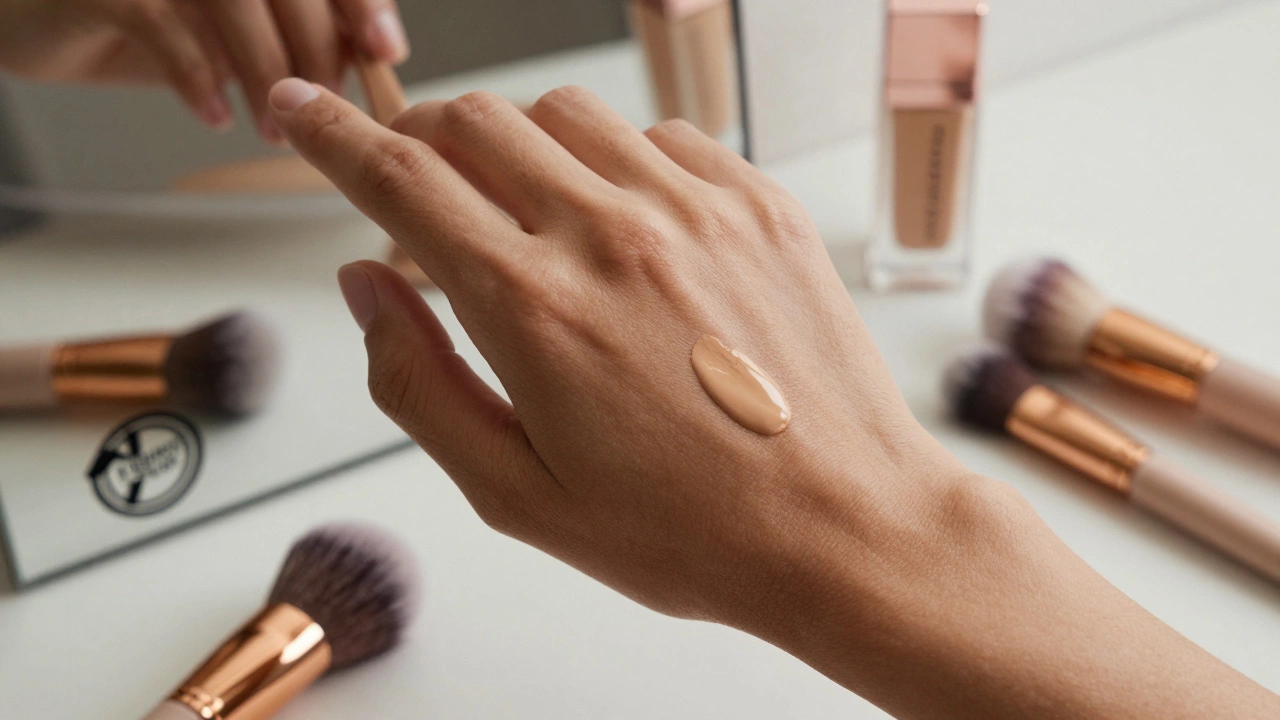
Does Fenty Beauty test on animals? The truth about cruelty-free makeup
Fenty Beauty does not test on animals and is certified cruelty-free by PETA and Leaping Bunny. They refuse to sell in China to avoid animal testing. Not all products are vegan, but they clearly label which ones aren't.